
Grinding coffee beans is one of the easiest ways to improve a daily cup. It is not about turning breakfast into a science experiment. It is about making sure the water can reach the coffee evenly, so the cup tastes clear, balanced, and like the beans you chose.
The useful rule is simple: grind shortly before brewing, match the grind to the brewer, and make small changes when the cup tastes off. A coarse French press grind, a medium drip grind, and a fine espresso grind are not interchangeable. Each brewer moves water through coffee differently, so each needs a different particle size to extract well.
This guide walks through the practical parts: which grinder to use, how fine to grind for common methods, how to make a repeatable recipe, and what to change when the coffee tastes sour, bitter, weak, or muddy. Pair it with the Coffee-to-Water Ratio Guide and you have a reliable starting system for better coffee at home.
Why Grinding Your Own Beans Matters
Coffee starts losing its most noticeable aroma after it is ground. Whole beans have much less surface area exposed to air. Once they are ground, there are thousands of tiny edges where flavorful compounds can escape. Grinding close to brew time helps keep more of that aroma and flavor in the cup.
Fresh grinding also gives you control. A bag of pre-ground coffee is usually one general size, often meant for a standard drip machine. That may work well enough for a basic brewer, but it can be too coarse for espresso, too fine for French press, or simply uneven for the recipe you want to make. Whole bean coffee lets you choose the size your brewer needs.
The goal is even extraction. Water should move through or sit around coffee particles at a similar pace. When a grind has too many powdery fines mixed with large chunks, part of the coffee over-extracts while another part stays under-extracted. The result can taste both sharp and bitter at once. A consistent grinder helps prevent that mixed message.
Choose a Burr Grinder When You Can
A burr grinder is the easiest route to a more consistent cup. It crushes beans between two burrs set a controlled distance apart, producing particles that are closer in size. That consistency matters because the water meets each particle more evenly.
Blade grinders work by chopping. They can make coffee, and they are fine for an occasional batch or a tight budget, but they create a wider mix of powder and larger pieces. If a blade grinder is what you have, use short pulses instead of holding the button down, then gently shake the grinder between pulses. That helps redistribute the larger pieces before the next chop.
You do not need an expensive machine to begin. A simple burr grinder with several clear settings gives a home brewer enough control for drip coffee, pour-over, French press, and many entry-level espresso setups. Whatever grinder you use, write down the setting that made a cup you liked. The number on one grinder does not translate to another, but your own good settings are worth keeping.
Match Grind Size to Your Brewing Method

Grind size controls how quickly water extracts flavor. Larger particles expose less surface area, so they need more contact time. Smaller particles expose more surface area, so they extract faster. The best setting is the one that fits the way your brewer uses water.
Use these descriptions as a starting point, not a strict rule. Coffee, water temperature, filter style, and grinder calibration all affect the result. The Specialty Coffee Association's coffee standards research is a helpful reminder that brewing works best when you keep inputs repeatable. At home, start with the right general size, then adjust one small step at a time.
| Brewing method | Starting grind | What it should resemble | Why it works |
|---|---|---|---|
| French press | Coarse | Coarse sea salt | Long immersion time needs a slower extraction |
| Cold brew | Extra coarse | Rough breadcrumbs | Long steep time needs the largest particles |
| Drip coffee maker | Medium | Regular sand | Balances a typical machine's brew time |
| Pour-over | Medium-fine | Fine sand | Supports a steady drawdown through the filter |
| Espresso | Fine | Powdery but not clumpy | Fast, pressurized brewing needs quick extraction |
How to Grind Coffee Beans Step by Step
1. Start with the amount of coffee you plan to brew. Use a scale if you have one. For a balanced standard cup, the 1:16 coffee-to-water ratio is a practical baseline. Grinding only what you need means the rest of the beans stay protected in the bag.
2. Pick a setting based on the brewer. Choose coarse for French press, medium for a typical drip machine, medium-fine for pour-over, or fine for espresso. If you are unsure, begin near the middle of the appropriate range instead of at either extreme.
3. Grind immediately before brewing. With a burr grinder, let the machine run until the beans have passed through. With a blade grinder, pulse in short bursts, pause to shake the grounds gently, and repeat until the texture is reasonably even. Do not keep chopping after the grounds look ready, because the smallest particles turn to dust quickly.
4. Brew and taste before changing the grinder again. A good starting recipe can still need a small adjustment for your particular brewer. If the brew runs too fast and tastes thin or sour, go a little finer. If it runs too slowly and tastes harsh or dry, go a little coarser.
5. Clean the grinder periodically. Old grounds collect in the chute and around burrs, where they can become stale and affect the next batch. Empty the hopper when practical, brush out loose grounds, and follow the maker's cleaning instructions. A clean grinder also makes it easier to judge whether a setting change actually helped.
Use the Taste in Your Cup as the Final Check

A grinder setting is only a starting point. The finished cup tells you whether to move. Coffee that tastes sour, watery, or oddly salty is often under-extracted. For a pour-over or drip brewer, try one small step finer, or slow the pour slightly. For espresso, a finer setting usually slows the shot and gives the water more contact time.
Coffee that tastes bitter, dry, or rough may be over-extracted. Try a slightly coarser setting before changing the ratio. If you are using a French press and get a muddy cup, make the grind coarser and plunge gently. Fine particles can pass through the metal filter and leave sludge in the last sip.
Weak coffee is not always a grind problem. If the flavor seems balanced but too light, use more coffee while keeping the grind steady. If it tastes both weak and sour, the brewer may be running too fast. Start by going a little finer, then revisit the amount of coffee only after the brew has enough sweetness and body.
Keep the adjustment small. One notch on a burr grinder can be enough. Change the grind, make the same recipe again, and taste it before changing another variable. That slower approach saves coffee and helps you learn what your brewer is actually telling you.
Can You Grind Coffee Beans Without a Grinder?

Yes, but treat it as a backup, not a permanent replacement. Put a small amount of beans in a sealed bag, wrap it in a kitchen towel, and use a rolling pin to crush them. Check the texture often and keep the pieces coarse for French press or cold brew. A mortar and pestle can also work for a small batch.
Avoid using a blender unless its manufacturer specifically says it can handle dry coffee beans. If you do use one, use quick pulses and small batches. The main limitation is consistency. These methods can get you through a morning, but they produce a wider range of particle sizes than a burr grinder and make it harder to repeat a great cup.
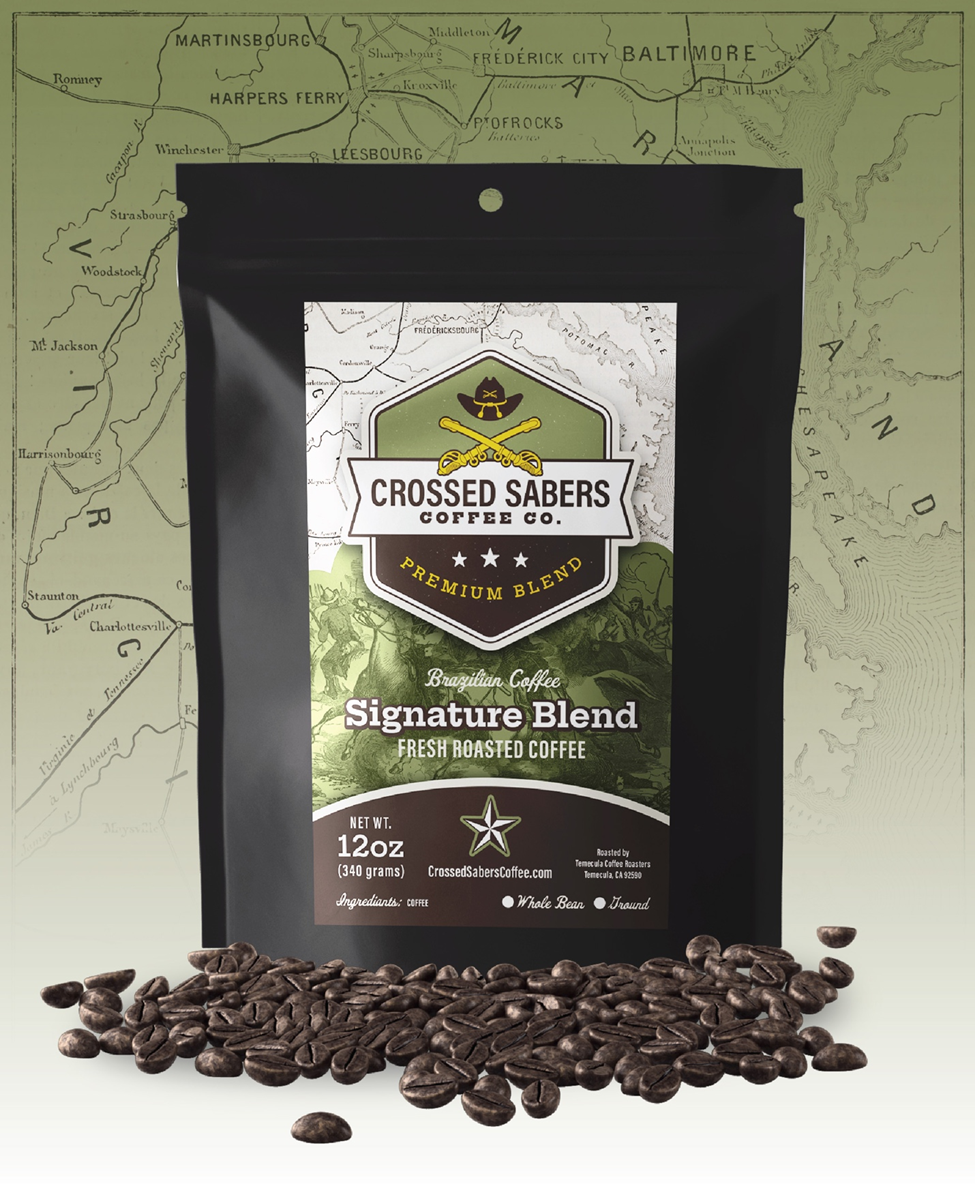
For a more dependable routine, buy whole bean coffee from Crossed Sabers Coffee Co. and pair it with a simple burr grinder. That gives you the flexibility to move between drip, pour-over, French press, and espresso without being locked into one pre-ground setting.
Start With Fresh Whole Beans
A good grinder gives you control, but it cannot make old coffee taste freshly roasted. Start with coffee you are excited to drink, grind it just before brewing, and make the smallest useful adjustment from there. The Cavalry Charge is a practical choice for a bold drip pot or espresso-style drink, while Morning PT Cold Brew is built for a smoother chilled brew.
Keep the process simple: measure your beans, grind for the brewer, brew the same recipe twice, and make one change only after you taste the result. That is enough to turn an inconsistent morning cup into a routine you can repeat.
Frequently Asked Questions
What is the best way to grind coffee beans?
A burr grinder is the best everyday choice because it produces a more even particle size than a blade grinder. Match the setting to your brewer, grind only the amount you need, and make small adjustments based on the taste of the finished cup.
What grind size should I use for drip coffee?
Start with a medium grind that resembles regular sand. If the coffee tastes weak or sour, move one small step finer. If it tastes bitter or the brew takes unusually long, move one small step coarser.
Should coffee be ground fine or coarse?
It depends on how you brew. French press and cold brew need coarse grounds because they steep for a long time. Drip coffee uses a medium grind, pour-over generally uses medium-fine grounds, and espresso needs a fine grind for its short, pressurized brew.
Can I use a blade grinder for coffee beans?
Yes. A blade grinder can make coffee, especially when you pulse in short bursts and shake the grounds between pulses. It is less consistent than a burr grinder, so it may take more trial and error to get a balanced cup.
How long should I grind coffee beans?
Grind only until the beans reach the texture your brewer needs. Burr grinders stop naturally once the beans pass through. With a blade grinder, use short pulses and check often, because a few extra seconds can create too much powder.
Why does freshly ground coffee taste better?
Grinding exposes more of the coffee to air, so aroma and flavor fade faster after the beans are broken up. Grinding close to brew time keeps more of those volatile aromas in the cup and gives you control over the grind size for your brewer.