
Whole bean coffee gives you more control over the cup, but it does not need to make the morning complicated. The basic process is simple: measure the beans, grind them for your brewer, add hot water, and taste the result. Starting with whole beans means you can match the grind to the way you make coffee instead of hoping one bag of pre-ground coffee happens to suit every brewer in the kitchen.
For most home brewing, begin with a 1:16 coffee-to-water ratio. That is 1 gram of coffee for every 16 grams of water. A practical first recipe is 20 grams of whole beans, ground just before brewing, with 320 grams of water. It makes a full 10 to 11 ounce mug with a balanced strength. Use a little more coffee for a stronger cup, or a little less for a lighter one.
The brewer decides the grind. A drip machine usually needs a medium grind, a pour-over often needs medium-fine grounds, and a French press needs a coarse grind. Once the grind and amount are close, the rest is repetition. Brew the same recipe twice before changing it, then make one small adjustment based on what you taste. This guide walks through the whole-bean coffee process without turning it into a science project.
Can You Make Coffee With Whole Beans?
Yes, but in most cases you should grind the beans before brewing. Grinding opens up much more surface area, so hot water can reach the flavor inside the bean in a reasonable amount of time. Put whole beans straight into a standard drip machine, pour-over, or French press and the water will mostly move around them. The result is usually weak, under-extracted, and disappointing.
There are a few niche methods that steep whole beans for a long time, but they are slow and not the best way to make a dependable daily cup. A basic burr grinder is the useful tool here. It does not have to be expensive or intimidating. It just gives you an even grind so the water treats most particles the same way. The result is a clearer, more repeatable cup.
If you do not own a grinder yet, buy ground coffee in the format that fits your brewer, then move to whole beans when you are ready. If you already have even a simple grinder, whole bean is the easier route to better coffee. Crossed Sabers offers a range of whole bean coffees so you can choose the roast and grind it for the brewer you actually use.
Start With the Right Amount of Whole Beans
The easiest way to make coffee with whole beans is to weigh the beans before you grind. A small kitchen scale removes the guesswork caused by different roast levels and bean sizes. For an everyday cup, start at 1:16, which means 1 gram of coffee for every 16 grams of water. At that ratio, 20 grams of beans needs 320 grams of water, while 30 grams of beans needs 480 grams of water.
You can make the cup stronger or lighter without starting over. For a richer cup that will stand up to milk or ice, try 1:15. For a lighter cup, move toward 1:17. Keep the water amount the same and adjust the beans by just a few grams. The Coffee-to-Water Ratio Guide has more serving-size examples, including practical tablespoon conversions when a scale is not available.
Do not measure after grinding if you can avoid it. Whole beans are easier to pour into a scale or scoop cleanly, and measuring them first keeps the rest of the bag sealed. Grind only what you plan to brew. That small habit means more of the beans stay protected from air until the next cup.
Grind the Beans for Your Brewer

Grind size is the piece that makes whole bean coffee feel personal. Water passes through a drip maker, filters through a pour-over, and steeps around coffee in a French press. Each method needs a different particle size so the water has enough contact with the coffee without pulling harsh flavors.
Use medium grounds for a standard drip coffee maker. They should feel close to regular sand. For a pour-over, start one step finer, closer to fine sand, then adjust if the brew drains too quickly or stalls. For a French press, use coarse grounds, roughly like coarse sea salt. For cold brew, go extra coarse because the coffee sits in water for many hours.
A burr grinder is the most consistent choice because it crushes beans to a controlled size. A blade grinder can still get you through the morning, but use short pulses and shake it gently between pulses so you do not create a mix of dust and large chunks. The site’s coffee grinding guide explains how to recognize and fix a grind that is too fine or too coarse.
How to Brew Whole Bean Coffee Step by Step

1. Measure your beans. Start with 20 grams of whole beans for 320 grams of water. If you do not have a scale, use about 3 level tablespoons of beans as a loose starting point, then move to weighing when you can. Whole beans vary in size, so a scale will make future cups easier to repeat.
2. Grind immediately before brewing. Pick medium for drip, medium-fine for pour-over, or coarse for French press. There is no need to chase a perfect setting on the first morning. Start in the middle of the appropriate range, write it down if you like the cup, and change only one notch when it needs work.
3. Use clean, hot water. For most hot coffee, water just off the boil works well. Bring the kettle to a boil, then let it settle for around 30 seconds if you do not have temperature control. The Specialty Coffee Association’s brewing research is useful background for why repeatable water, coffee, and time inputs create a more reliable cup.
4. Brew for the method. Let a drip machine run its normal cycle. For a pour-over, wet the grounds with a small amount of water first, wait about 30 seconds, then pour slowly in circles until you reach your water weight. For French press, add all the water, steep for four minutes, press gently, and pour the coffee out right away.
5. Taste before adding milk or sweetener. A balanced black sip is the quickest way to tell what changed. If the cup is pleasant but lighter than you want, use a slightly stronger ratio next time. If it tastes sour or thin, make the grind a little finer. If it tastes bitter or dry, make the grind a little coarser.
Choose a Brewing Method That Fits Your Routine
A drip machine is the easiest whole-bean routine when you want several cups ready with minimal attention. Measure the beans, use a medium grind, and let the brewer handle the timing. It is a solid everyday choice for a house blend, a medium roast, or any coffee you want to drink while the day gets moving.
A pour-over makes sense when you enjoy a slower single-cup ritual and want more control over the result. Use a medium-fine grind and pour steadily. If the drawdown is fast and the coffee tastes sharp, grind slightly finer. If it drips painfully slowly and tastes rough, go a little coarser. You do not need a different bag of coffee to try a different method, just a different grind.
A French press is a good fit when you like a fuller body and a richer texture. Use coarse grounds, keep the ratio close to 1:15, and begin with a four-minute steep. The French Press Coffee Ratio guide gives a detailed chart for common press sizes and simple troubleshooting for a cup that turns out weak, bitter, or gritty.
Store the Remaining Whole Beans Well

Whole beans hold their flavor longer than grounds because less of the coffee is exposed to air. Keep the bag sealed tightly in a cool, dry cabinet away from direct light, heat, and strong kitchen smells. A cupboard is usually better than the refrigerator, where moisture and food odors can work against the coffee.
Avoid buying more coffee than your routine can reasonably use. Fresh coffee is meant to be enjoyed, not stored like an emergency supply. Open one bag at a time, keep it sealed between brews, and grind only the beans you need that day. This lets you notice the character of each coffee instead of turning the bag into something you are simply trying to finish.
A bag of fresh-roasted coffee from Crossed Sabers is a practical place to start because the coffee is roasted to order. Choose whole bean, use the same recipe for a few brews, and adjust only after you have tasted the result. That gives you a reliable baseline before you start changing ratio, water, or grinder settings all at once.
Pick a Whole Bean Coffee You Will Want to Brew Again
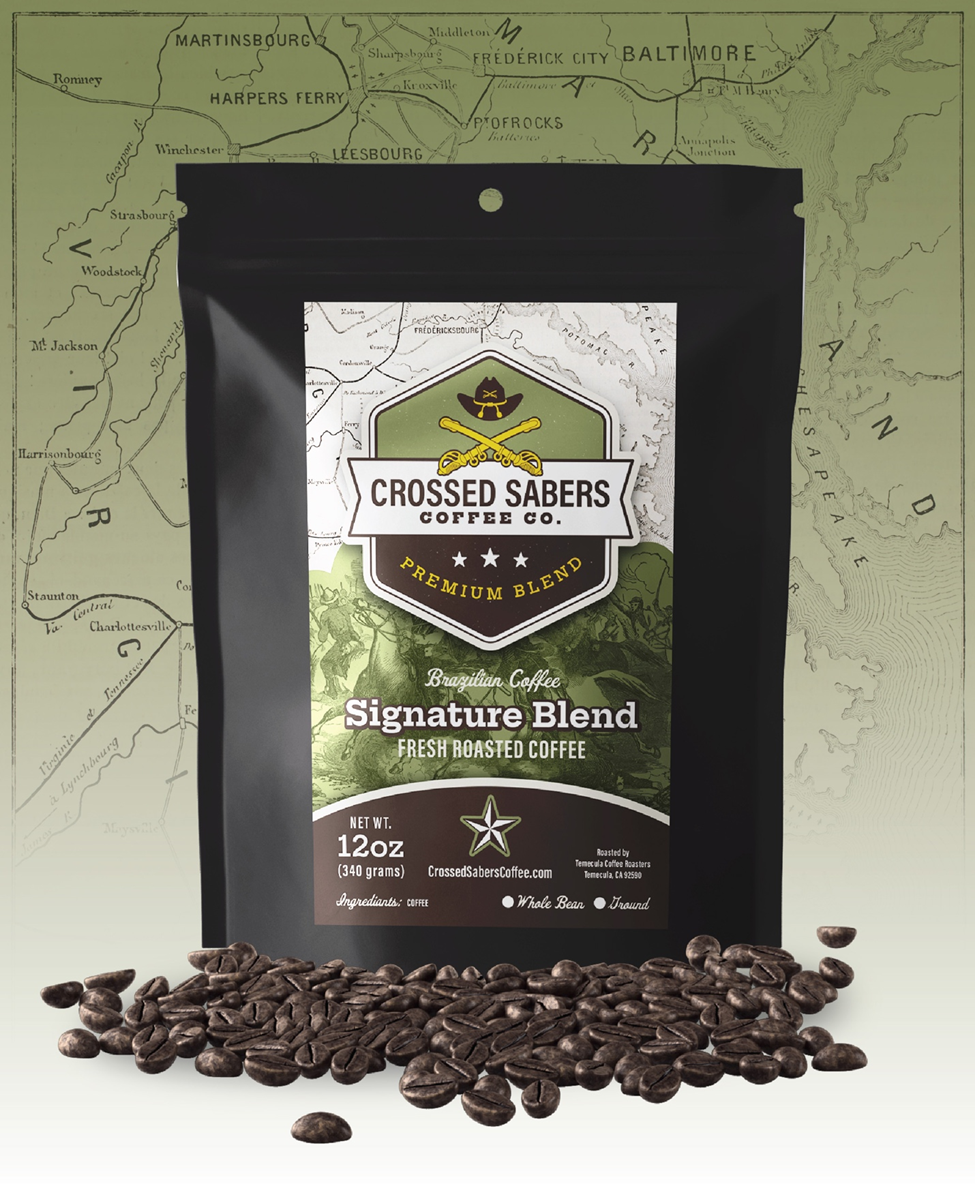
The right whole bean coffee is the one that fits the cup you enjoy. For a bold, darker morning brew or espresso-style drink, Cavalry Charge is a strong starting point. For a smooth everyday cup, Signature Blend is an easy choice for drip coffee or pour-over. Both can be selected whole bean and ground to suit your setup.
The process does not need a lot of rules. Start with a fresh bag, measure the beans, match the grind to the brewer, and taste the coffee before changing anything. A whole-bean routine works because it gives you a few useful levers, not because it asks you to obsess over every cup.
When you find a recipe you like, keep it. Note the coffee, amount, grind setting, brewer, and one sentence about the result. The next time you buy that coffee, you will have a starting point that is yours. That is the real advantage of whole beans: a better chance of making the cup you meant to make.
Frequently Asked Questions
Can I put whole coffee beans in a coffee maker?
Most coffee makers need ground coffee. Whole beans do not expose enough surface area for water to extract flavor during a normal brew cycle, so the cup will usually be weak. Grind the beans first, using a medium setting for a standard drip coffee maker.
How many whole coffee beans do I need for one cup?
For a full 10 to 11 ounce mug, start with 20 grams of whole beans and 320 grams of water. That is a 1:16 coffee-to-water ratio. If you prefer a stronger cup, use about 21 grams of beans with the same amount of water.
Do I have to grind whole bean coffee right before brewing?
Grinding right before brewing is the most dependable way to preserve aroma and gives you control over the particle size. It is not the only way to make coffee, but it is the main reason to choose whole beans over pre-ground coffee.
What grind size should I use for whole bean coffee?
Match the grind to the brewer: medium for drip machines, medium-fine for pour-over, coarse for French press, and extra coarse for cold brew. Start there, then make one small adjustment based on how the coffee tastes and how quickly it brews.
Can I make coffee with whole beans without a grinder?
You can crush a small batch in a sealed bag with a rolling pin as a temporary backup, but the grounds will be uneven. A burr grinder gives you far more control and makes it easier to repeat a good cup.
Is whole bean coffee better than ground coffee?
Whole bean coffee gives you more control over freshness and grind size, which can make it easier to match coffee to your brewer. Ground coffee is still convenient and can make a good cup, especially when it is fresh and ground for the method you use.


